Have you ever wondered why some tablets have lines across them ?
Many people think the line on a tablet is just there for
Have you ever wondered why some tablets have lines across them ?
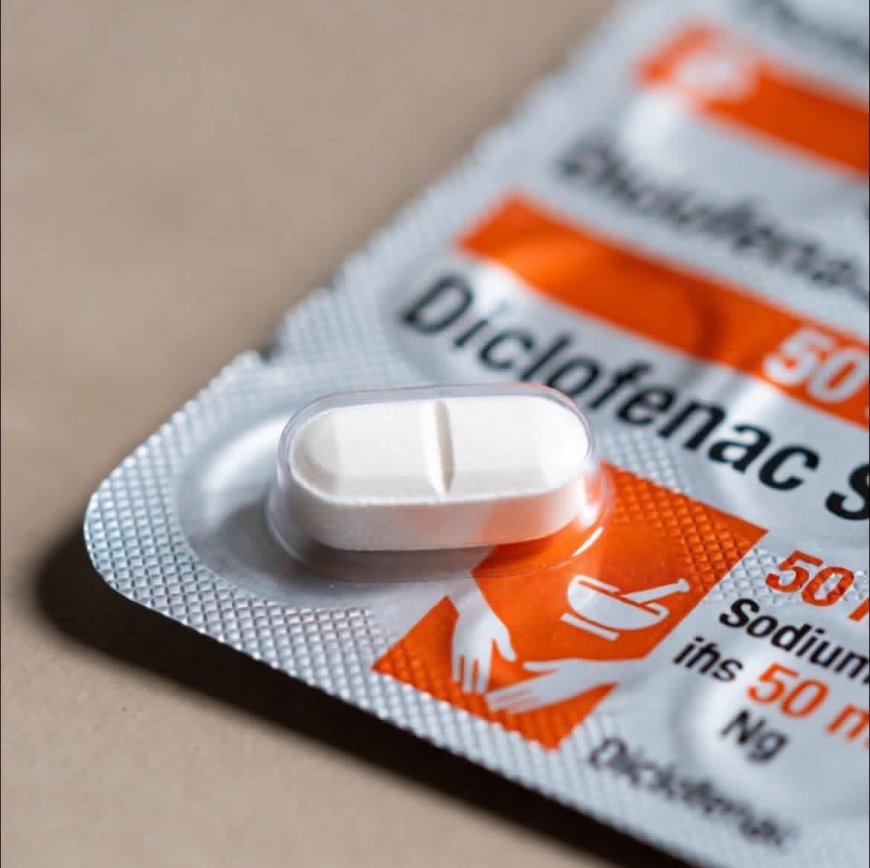
Many people think the line on a tablet is just there for design. It is not.
That small line is called a score line, and it exists for real, practical reasons that affect how patients use medicines every day.
????️Dose adjustment
One major reason tablets are scored is to allow accurate dosing. In many cases, the exact dose a patient needs is not available as a separate tablet strength. So a doctor may prescribe half a tablet.
Without a score line, achieving that dose accurately becomes difficult and unsafe.
For example, If a doctor wants a patient to take 12.5 mg but the available tablet is 25 mg, they will prescribe half a tablet. The score line helps achieve that accurately.
????️Differences in how people respond to medicines
Not every body reacts the same way to medication. Some patients experience side effects at higher doses and choose to reduce their dose.
While dose changes should always involve a healthcare professional, score lines make dose reduction more controlled than randomly breaking a tablet.
For example, a patient on a new antihypertensive feels dizzy on the full tablet and their doctor advises them to start with half. The score line makes that easier.
????️Ease of swallowing
Some tablets are simply too big. Many patients break tablets not because of dose, but because swallowing the whole tablet is uncomfortable or frightening, especially for older adults. A scored tablet allows this to be done more safely.
However, it is important note that this applies to scored tablets only.
For example, elderly patients may break their large calcium tablets because they feel they may choke. With a score line, they can split it cleanly and safely.
????️Limited dosage options
For many medicines, lower strength tablets do not exist at all. In such situations, scored tablets remain the only practical way to achieve the right dose without abandoning treatment.
A good example is a medication that comes only as 100 mg, but a patient needs 50 mg. If the company doesn’t manufacture a 50 mg tablet, a scored 100 mg tablet becomes the practical option.
????️To reduce unsafe breaking of tablets
Interestingly, patients still break unscored
tablets. They do this when a half dose is prescribed and they have not seen it yet, when tablets are hard to swallow, or when they want to take less.
This is risky because unscored tablets are not designed to split evenly.
Score lines guide where a tablet should be divided and help reduce dosing errors.
????️To support how medicines are used in real life
Despite concerns about uneven tablet halves, studies have shown that many tablets can be split without reducing effectiveness or safety, especially when the score line is well designed.
Instead of discrediting scored tablets, I think improving how score lines work is more practical and patient friendly.
So the problem is not scored tablets.
The real problem is poorly designed score lines and unsupervised dose adjustments.
Score lines exist because medicine has to fit real life, not just textbooks.
And that small line on a tablet?
It is doing more work than most people realize.
Did you learn something? Please share
design. It is not.
That small line is called a score line, and it exists for real, practical reasons that affect how patients use medicines every day.
????️Dose adjustment
One major reason tablets are scored is to allow accurate dosing. In many cases, the exact dose a patient needs is not available as a separate tablet strength. So a doctor may prescribe half a tablet.
Without a score line, achieving that dose accurately becomes difficult and unsafe.
For example, If a doctor wants a patient to take 12.5 mg but the available tablet is 25 mg, they will prescribe half a tablet. The score line helps achieve that accurately.
????️Differences in how people respond to medicines
Not every body reacts the same way to medication. Some patients experience side effects at higher doses and choose to reduce their dose.
While dose changes should always involve a healthcare professional, score lines make dose reduction more controlled than randomly breaking a tablet.
For example, a patient on a new antihypertensive feels dizzy on the full tablet and their doctor advises them to start with half. The score line makes that easier.
????️Ease of swallowing
Some tablets are simply too big. Many patients break tablets not because of dose, but because swallowing the whole tablet is uncomfortable or frightening, especially for older adults. A scored tablet allows this to be done more safely.
However, it is important note that this applies to scored tablets only.
For example, elderly patients may break their large calcium tablets because they feel they may choke. With a score line, they can split it cleanly and safely.
????️Limited dosage options
For many medicines, lower strength tablets do not exist at all. In such situations, scored tablets remain the only practical way to achieve the right dose without abandoning treatment.
A good example is a medication that comes only as 100 mg, but a patient needs 50 mg. If the company doesn’t manufacture a 50 mg tablet, a scored 100 mg tablet becomes the practical option.
????️To reduce unsafe breaking of tablets
Interestingly, patients still break unscored
tablets. They do this when a half dose is prescribed and they have not seen it yet, when tablets are hard to swallow, or when they want to take less.
This is risky because unscored tablets are not designed to split evenly.
Score lines guide where a tablet should be divided and help reduce dosing errors.
????️To support how medicines are used in real life
Despite concerns about uneven tablet halves, studies have shown that many tablets can be split without reducing effectiveness or safety, especially when the score line is well designed.
Instead of discrediting scored tablets, I think improving how score lines work is more practical and patient friendly.
So the problem is not scored tablets.
The real problem is poorly designed score lines and unsupervised dose adjustments.
Score lines exist because medicine has to fit real life, not just textbooks.
And that small line on a tablet?
It is doing more work than most people realize.
Did you learn something? Please share
What's Your Reaction?