Ukraine carries out aerial assaults in Russia dropping combat robots from drones
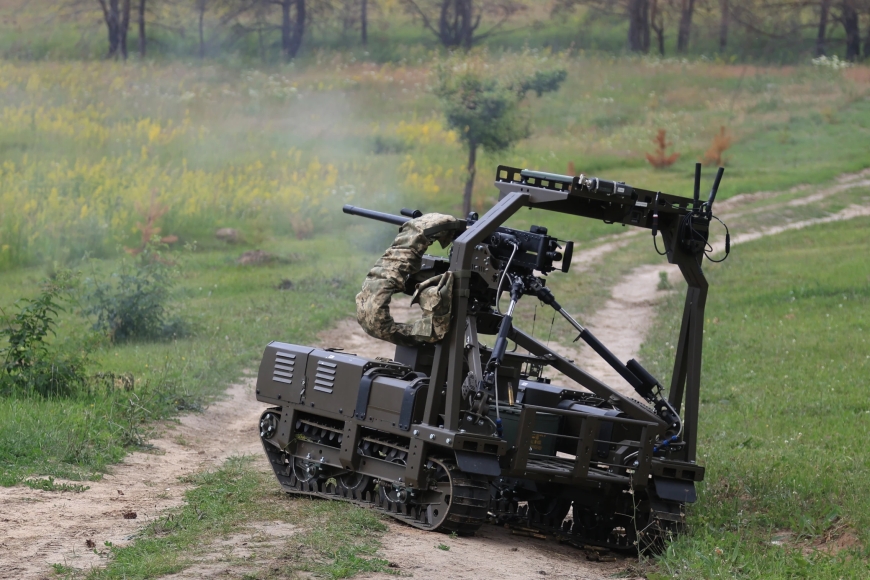
Ukraine has demonstrated a new form of battlefield warfare by using a heavy-lift drone to deploy a ground robot behind enemy lines, marking what is described as the first known attack involving a drone carrying a combat robot.
The operation used a heavy-lift drone to transport an ARK-1 unmanned ground vehicle (UGV) carrying an anti-tank mine. The tactic, likened to a “marsupial” approach, allows one uncrewed system to carry another into areas that would otherwise be difficult or dangerous for the smaller platform to reach. The development points to a growing use of multiple autonomous systems working together, potentially allowing military forces to conduct operations while reducing the exposure of human soldiers.
The “marsupial” concept had previously been explored by the United States military over several decades, but largely remained at the demonstration stage. Ukraine has now applied the approach in combat, expanding the potential uses of drone-carrier systems.
The tactic is designed to overcome the mobility limitations of smaller drones, particularly FPV drones. Ukraine has already experimented with several types of drone “motherships”, including large drones that transport and release smaller drones closer to their targets.

Ground robots have also been developed to transport and launch FPV drones, while unmanned boats have been used as floating aircraft carriers capable of launching FPVs for attacks and interception missions. Ukrainian engineer Eduard Trotsenko, who runs robot manufacturer Temerland, said the need to protect soldiers was driving the rapid development of battlefield robotics.
“In order to save human lives, to save soldiers, there must be robots,” Trotsenko told AFP. Ukraine has developed a large domestic drone industry during the war, with aerial drones now widely used for reconnaissance and attacks, while ground robots increasingly perform logistical and evacuation duties.
Trotsenko, who previously manufactured car charging stations, turned to military robotics after Russia’s invasion. His company focuses on ground drones designed to operate in the dangerous zone between opposing forces, where soldiers face constant threats from drones and other weapons.
For now, many of the ground robots are used to evacuate wounded soldiers and transport supplies, reducing the need to send personnel into exposed areas. Trotsenko is also developing combat versions, including one fitted with an RPG rocket launcher and another equipped with a heavy machine gun. He said the systems are being tested by some Ukrainian brigades while awaiting wider approval.
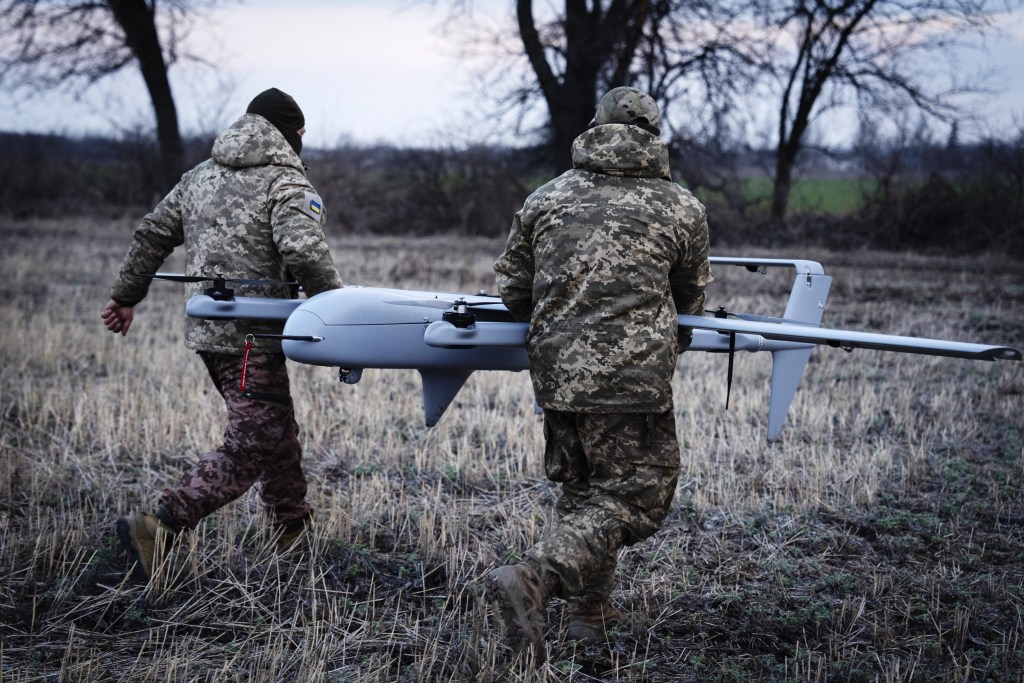
A Ukrainian military commander known by the call sign “Jason” said the main advantage of the systems was the ability to accept equipment losses rather than human casualties. “You can afford to lose a drone, but not a person. The probability of human losses there is reduced,” he told AFP.
The expansion of battlefield robotics was strongly supported by former Ukrainian Defence Minister Mykhailo Fedorov, who established the Defence AI Center A1 to integrate artificial intelligence into military operations and accelerate the development and deployment of new technologies.
Fedorov also encouraged private technology companies to work directly with the military, allowing engineers to rapidly develop and modify systems based on battlefield requirements. Trotsenko said the Ukrainian approach was driven largely by grassroots innovation rather than government directives.
“There was an explosion of bottom-up initiative,” he said, explaining that young engineers developed new systems, presented them to the military and then worked with soldiers to refine the technology. Programmers, telecommunications specialists and engineers have since become increasingly integrated into Ukraine’s military structure.
According to Jason, however, the shortage of professionally trained personnel remains one of the biggest obstacles to further expansion. Trotsenko is already looking beyond current unmanned vehicles, envisioning future conflicts involving humanoid robots operated remotely by people far from the battlefield. “Things have really taken off,” he said.
What's Your Reaction?