















































THE BEST EYESIGHT
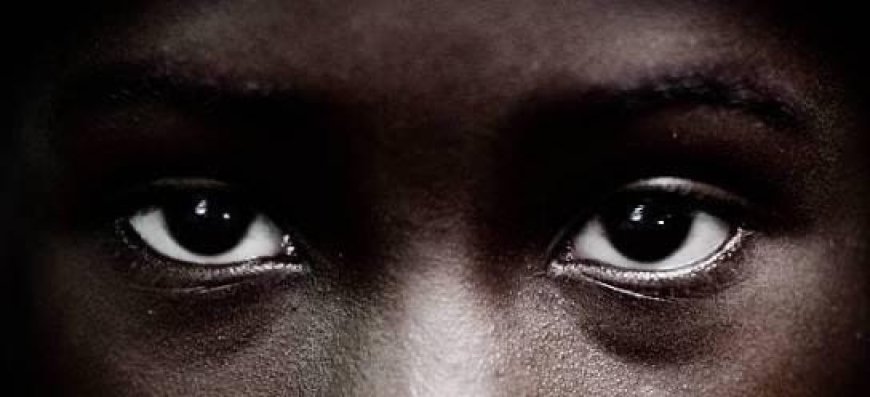
There are well-known anecdotal groups, such as fighter pilots, elite athletes, and traditional hunters (for example, desert or Arctic hunters), who consistently demonstrate extremely sharp distance vision. However, some of these cases are not from formal records, but they beg the question of the limit of human vision. ????
Human vision has clear physical limits, and understanding how far the best eyes can see begins with the average human eye. A person with normal eyesight, described as 20/20 vision, can resolve details that subtend a very small angle on the retina. In practical terms, this allows an average individual to recognize a human figure at roughly one to two kilometers and to see large objects such as buildings, hills, or trees from distances of about ten to fifteen kilometers on a clear day. At this level, visibility is already constrained less by the eye itself and more by environmental factors such as haze and dust.
How far the eye can see is not determined by vision alone. Atmospheric clarity plays a major role, as particles in the air scatter light and reduce contrast at long distances.
However, some individuals possess better-than-average eyesight, often a 20/15 or 20/10 vision. This improved visual acuity allows them to distinguish finer details at the same distance or to recognize familiar objects from farther away. Under ideal conditions of lighting and air clarity, people with such vision may detect large objects at distances approaching *20* to *30 kilometers* . This is commonly observed in professions that demand exceptional visual performance, such as aviation or certain sports.
In summary, the average human eye can see clearly across a few kilometers, while the best eyes, operating at the edge of biological possibility, can resolve large objects across several tens of kilometers.
What's Your Reaction?